

Your Hormones Are Changing. Your Care Should Change With You.
Something Feels Different. And You’re Not Imagining It.
Maybe your periods aren't what they used to be. You're exhausted even after a full night's sleep. You're struggling with brain fog, mood changes, hot flashes, or changes in your libido. Maybe you simply don't feel like yourself anymore.
Hormonal changes can affect women in many different ways—and your experience is uniquely yours. At Glow, we listen to the full picture so we can help you understand what's happening and explore your options.
Hot flashes & night sweats
Sleep changes
Fatigue
Brain fog & difficulty concentrating
Mood changes or irritability
Changes in menstrual cycles
Vaginal dryness or discomfort
Changes in libido
Changes in body composition
Headaches
And other symptoms associated with hormonal changes
WHAT’S HAPPENING TO YOUR HORMONES?

Perimenopause
The transition leading up to menopause, when hormone levels and menstrual cycles can begin to change.

Menopause
The point when you've gone 12 consecutive months without a menstrual period.

Postmenopause
The years following menopause, when your body continues to adjust to its new hormonal baseline.
WHAT IS HORMONE THERAPY?
Hormone replacement therapy (HRT) uses hormones to replace or supplement hormones your body is producing at lower levels. Depending on your symptoms, health history, and individual needs, hormone therapy may be one option to consider as part of your care plan.
At Glow, we don't believe in a one-size-fits-all approach. Glow offers personalized estrogen, progesterone, and testosterone replacement therapy for women when clinically appropriate.
Testosterone isn't just a men's hormone. Women naturally produce testosterone, and levels can change throughout life. Lower testosterone levels may be associated with symptoms such as:
Decreased sexual desire or libido
Reduced sexual satisfaction
Fatigue or decreased energy
Changes in mood or motivation
Decreased muscle strength or mass
Changes in overall sense of well-being
These symptoms can have many possible causes, so our approach starts with you—not just a lab result. We'll talk through your symptoms, health history, goals, and available options to determine whether hormone therapy may be right for you.
We Listen Before We Prescribe.
Your symptoms, concerns, and goals matter.
We Educate, Not Overwhelm.
We'll explain your options in a way that actually makes sense.
We Personalize Your Care.
Your treatment plan should fit your body, health history, and goals.
We Stay Connected.
Hormone care isn't a one-and-done conversation. We'll continue to evaluate how you're doing and adjust your care when appropriate.
HORMONE CARE, THE GLOW WAY
You deserve a provider who knows you—not just your chart.
Ready to Feel More Like Yourself?
-
Small medicated lozenges that dissolve in the mouth, usually in between the cheek and gum or under your tongue. These are absorbed directly into your bloodstream. Dosed one to two times daily.
-
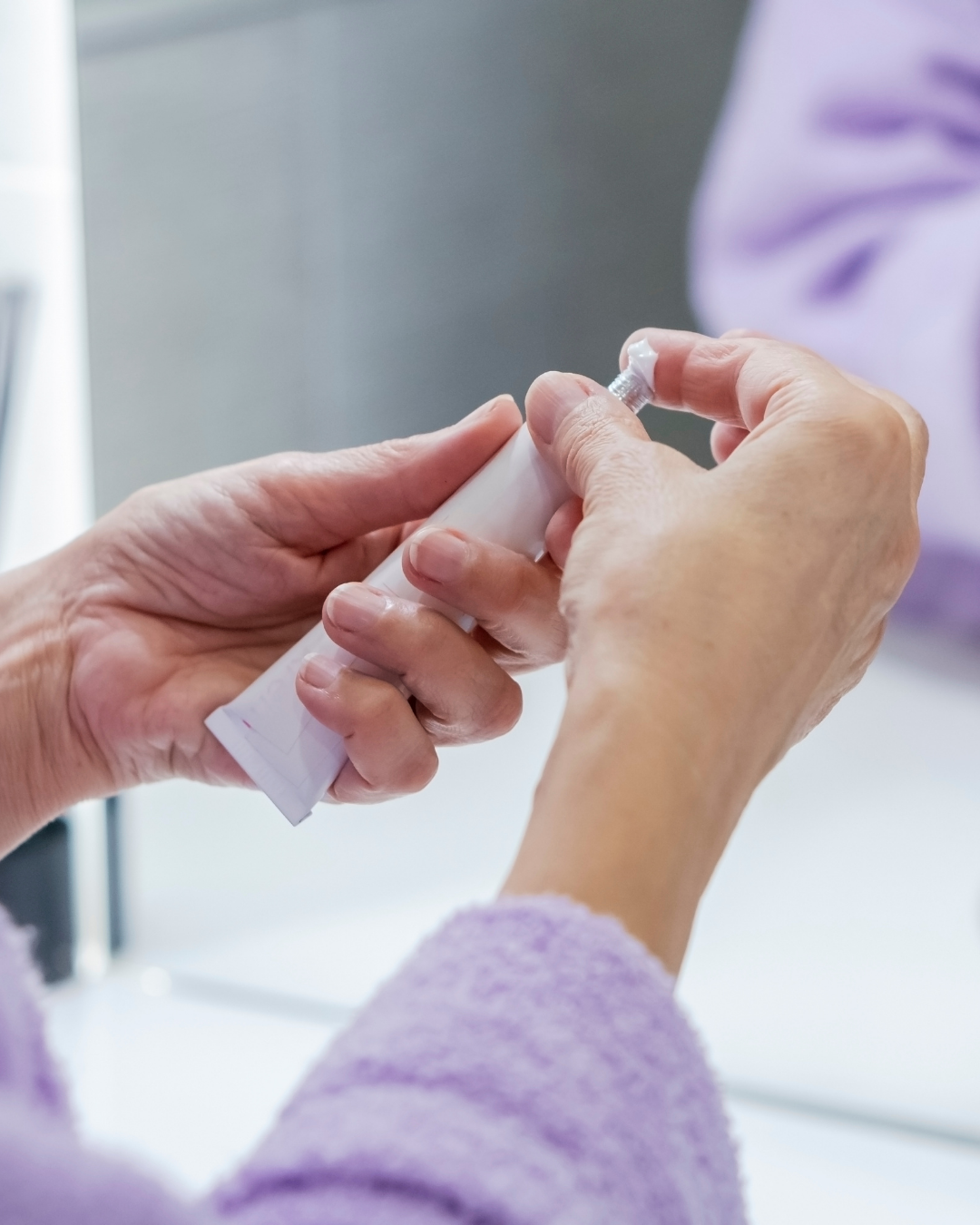
A cream that is applied to to a thin area of skin usually in between the thighs or behind the knees. Usually doesed one to two times a day.
-
An injection given every 10-14 days in the stomach, arms, or thighs.
-
A method of delivering hormones via rice-sized compressed pellets. These pellets are placed directly under the skin in the hip or buttocks where they dissolve and release a slow and steady dose of hormones directly into the bloodsteam over several months.
-
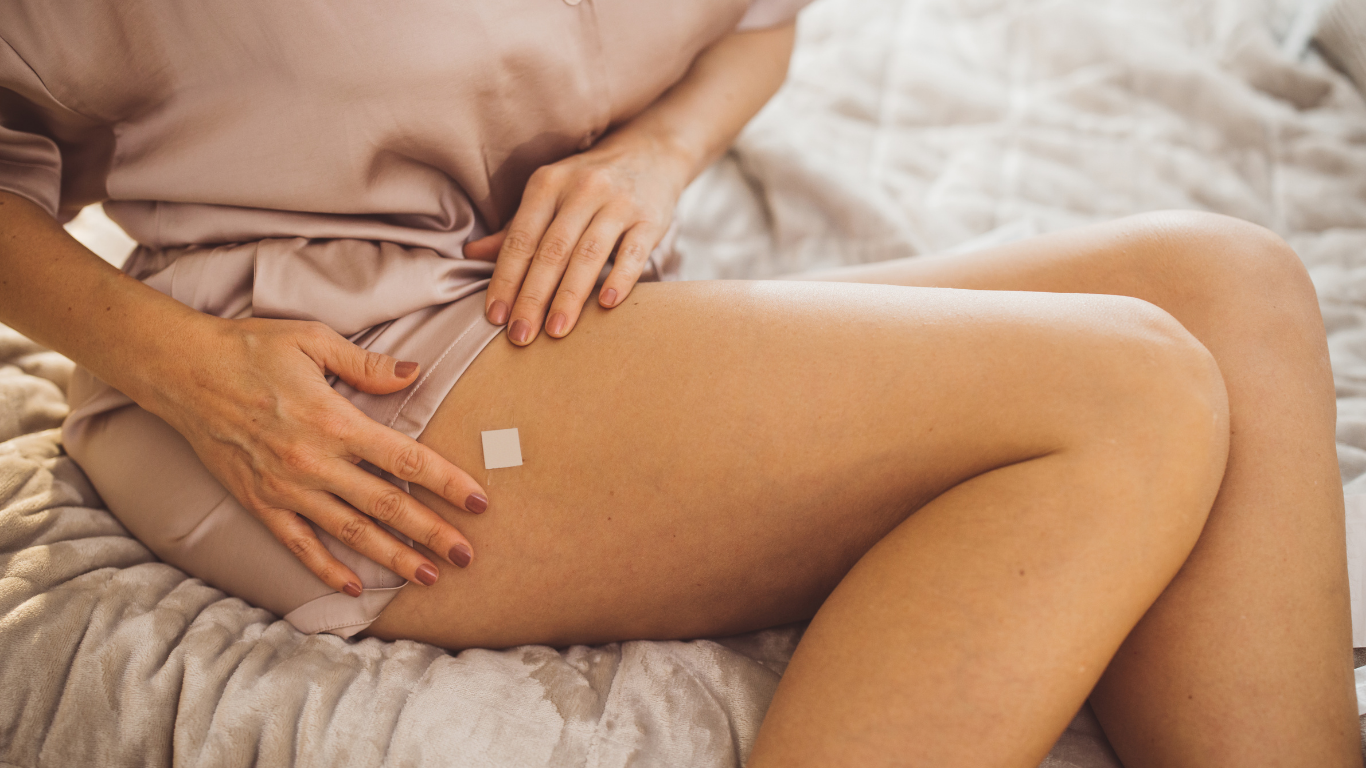
A medicated patch applied directly to the skin. Changed one or two times per week.